The project itself :
Project Overview
Following Stukent’s acquisition of BusinessU, both platforms needed to continue operating independently while preparing for a future merger.
To support this transition, I led the design system integration effort, creating a scalable component architecture that aligned BusinessU and Stukent design standards while minimizing disruption to ongoing product development.
Problem:
BusinessU and Stukent maintained separate design foundations with different component structures, naming conventions, and visual standards. Without alignment, the planned platform merger would increase design debt, slow development, and create inconsistent user experiences.
Goal:
Create a scalable, merge-ready design system architecture that could support both platforms, improve consistency across teams, and establish a foundation for future platform unification.
My role:
Led Stukent side design system strategy, component architecture, token planning, and cross-functional alignment between UX, Engineering, and Product teams.
Scope:
2 Platforms: Mimic App + CTE
35+ Reconstructed Components
Design Tokens & Variables Architecture
Cross-Functional Team:
Product · Engineering · UX · Stakeholders
All about the user :
Discovery & Audit
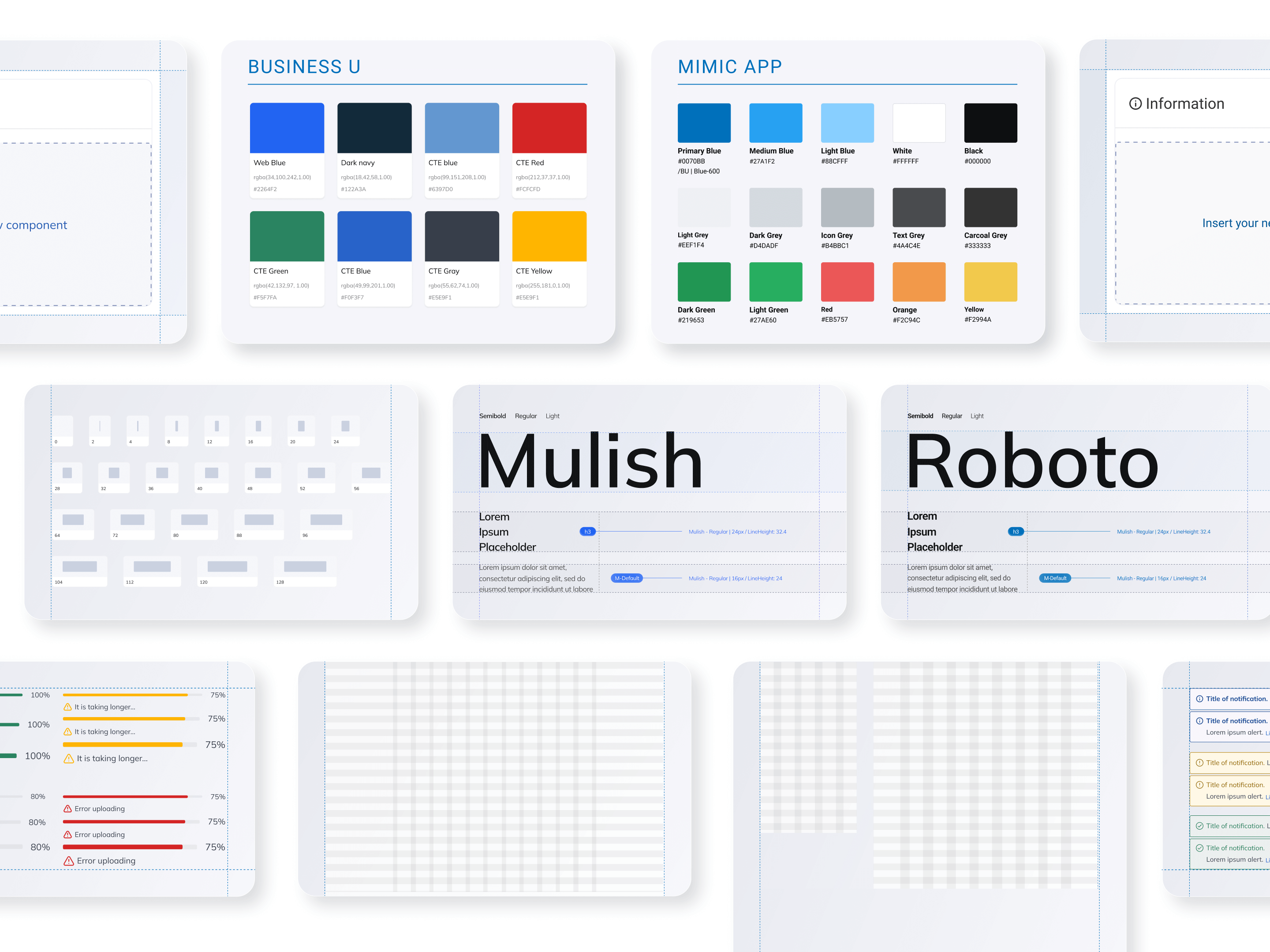
Before defining the system architecture, I audited both BusinessU and Stukent CTE to understand how their design foundations differed across components, colors, typography, spacing, and implementation patterns.
The goal was to identify inconsistencies, reduce duplication, and define a scalable design system structure that could support both platforms during the transition and prepare for a future merge.
Key Findings
Different Visual Languages:
BusinessU and Stukent CTE used different color systems, typography choices, component styles, and interaction patterns, making the two platforms feel disconnected.
Inconsistent Component Coverage:
BusinessU had stable product patterns, but many components were not formally documented or structured in a reusable way. This created extra design effort and made consistency harder to maintain.
No Shared System Architecture:
Both platforms needed to remain active, but without a shared token and component strategy, future consolidation would require significant redesign and rebuild effort.
System Audit
Audited the design foundations behind both platforms to understand where alignment was needed.
The project schematically :
System Architecture
After the audit, I translated the findings into a scalable system architecture. The goal was to rebuild BusinessU’s design foundation in a structured way while preparing both platforms to eventually converge into one unified design system.
Component Mapping
Mapped existing UI patterns across BusinessU and Stukent CTE to identify overlapping components, missing documentation, and inconsistencies in structure.
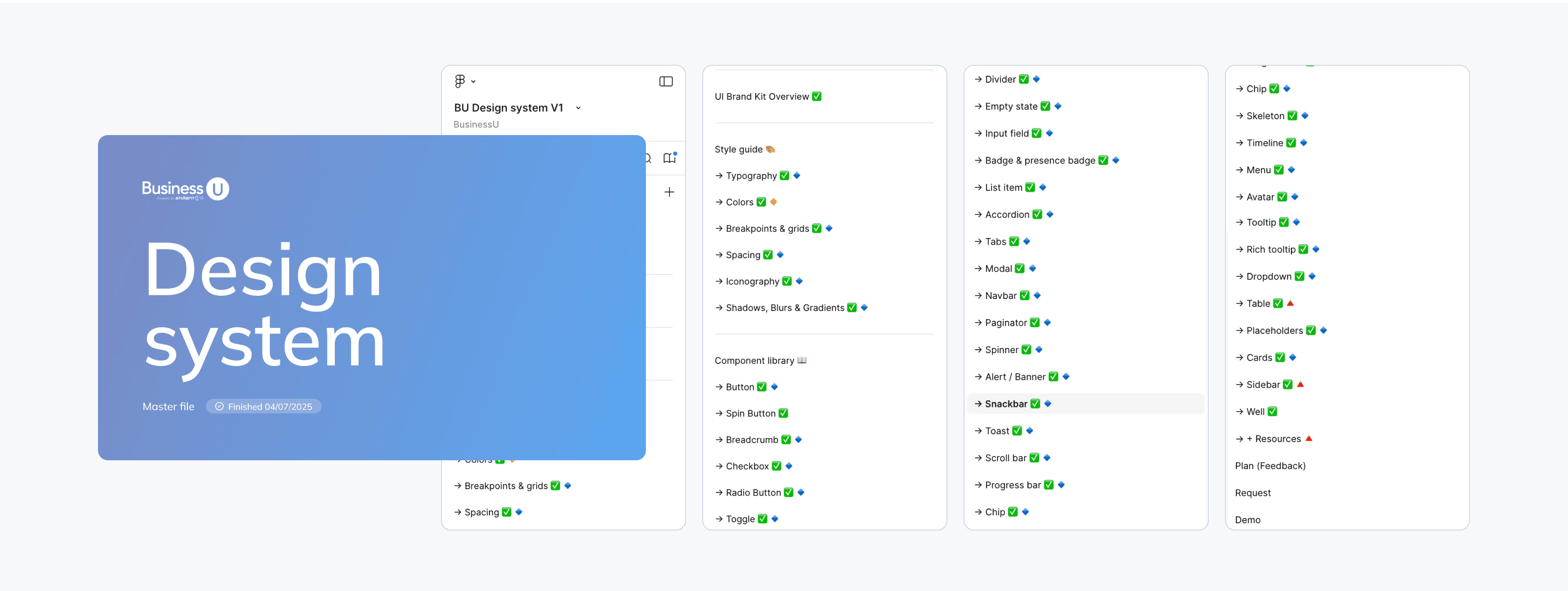
I created a component blueprint that organized reusable UI patterns into a clearer system, helping the team understand what needed to be rebuilt, standardized, or prepared for future merge readiness.
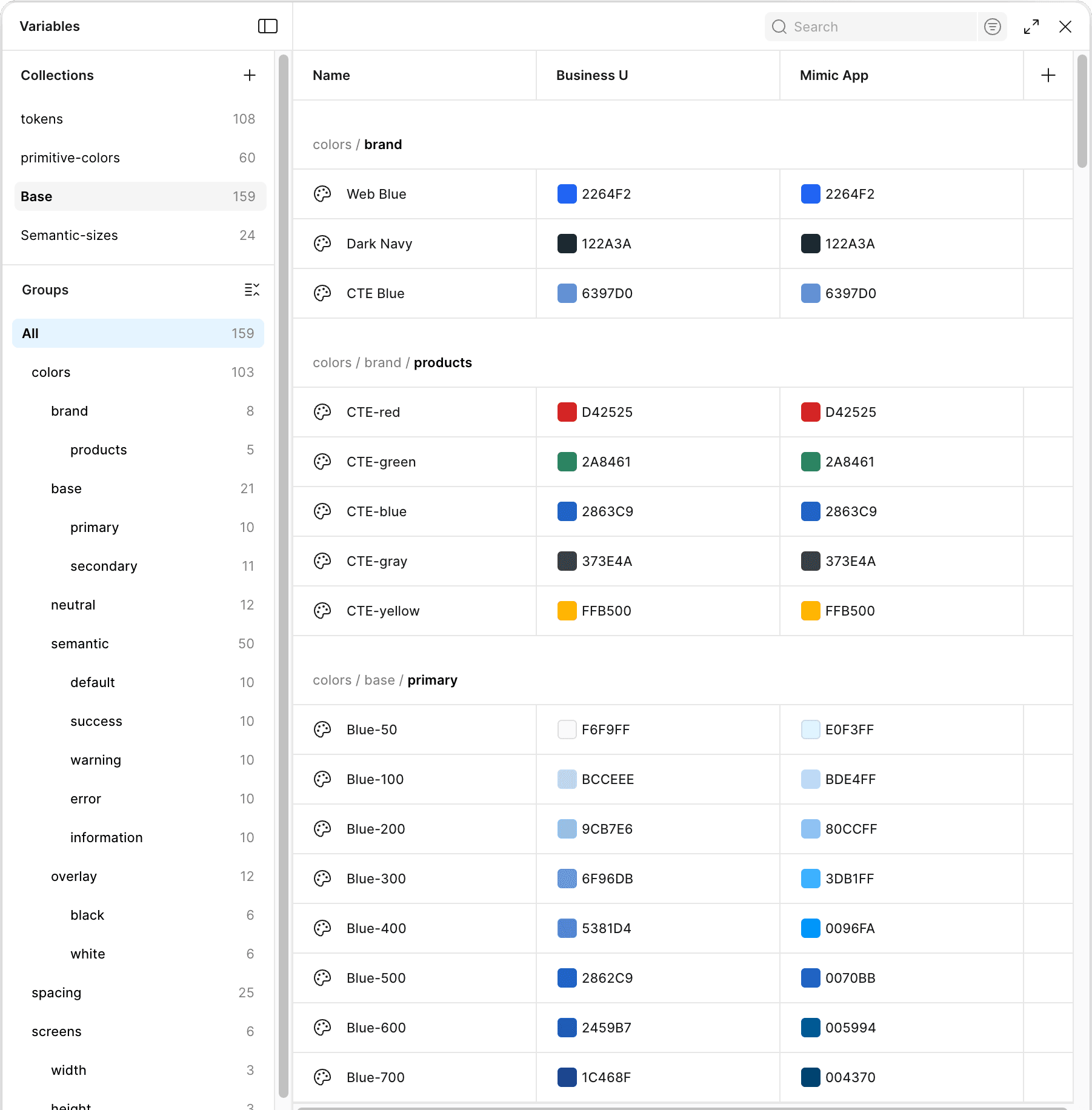
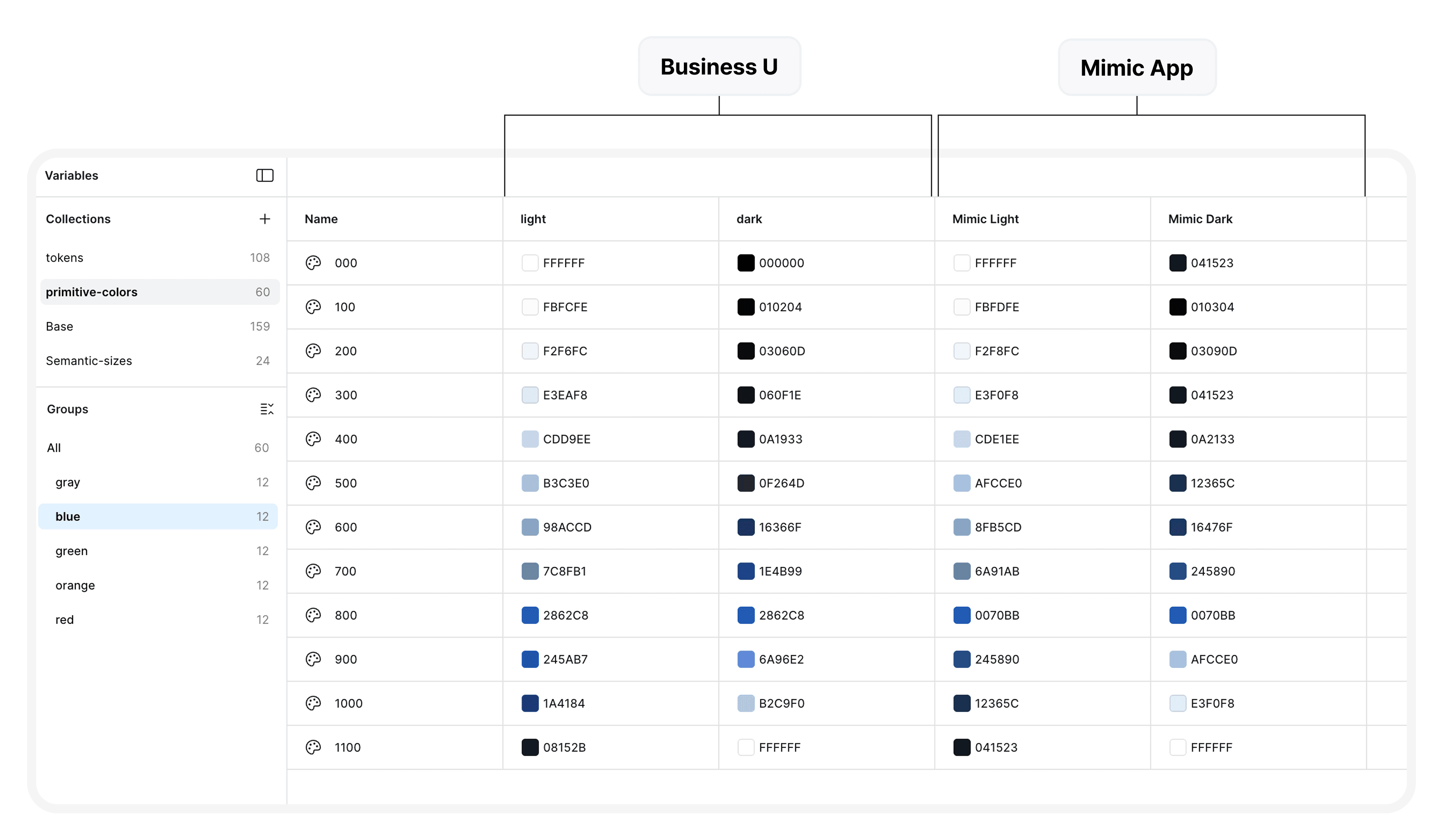
Token & Variable Structure
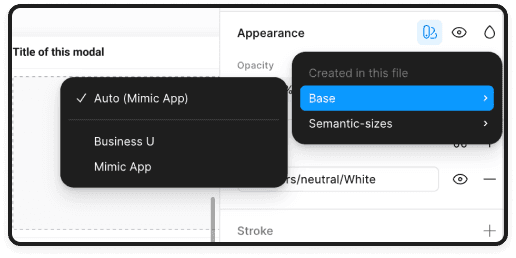
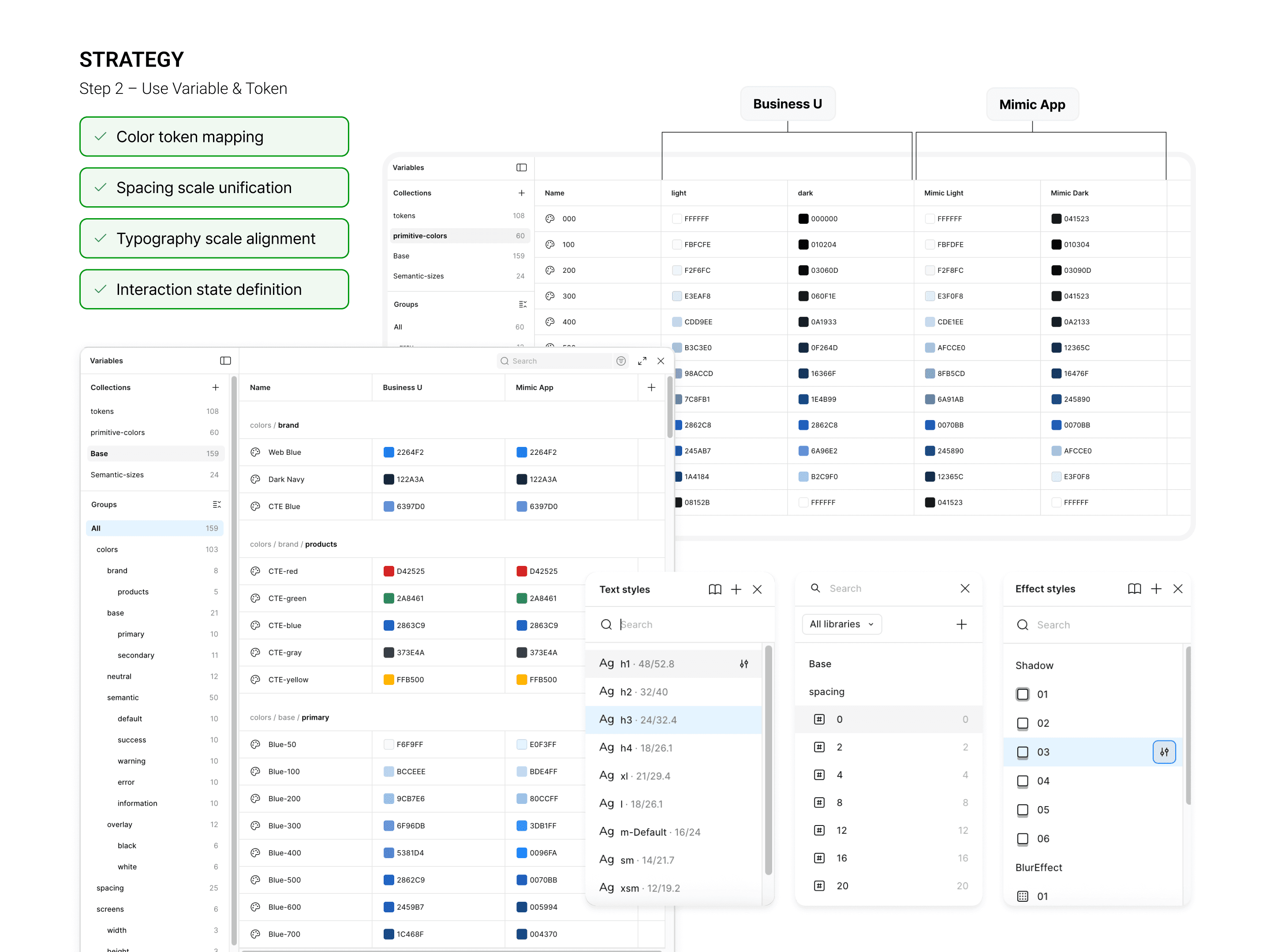
Defined the foundation for colors, typography, spacing, and interaction states using Figma variables and tokens.
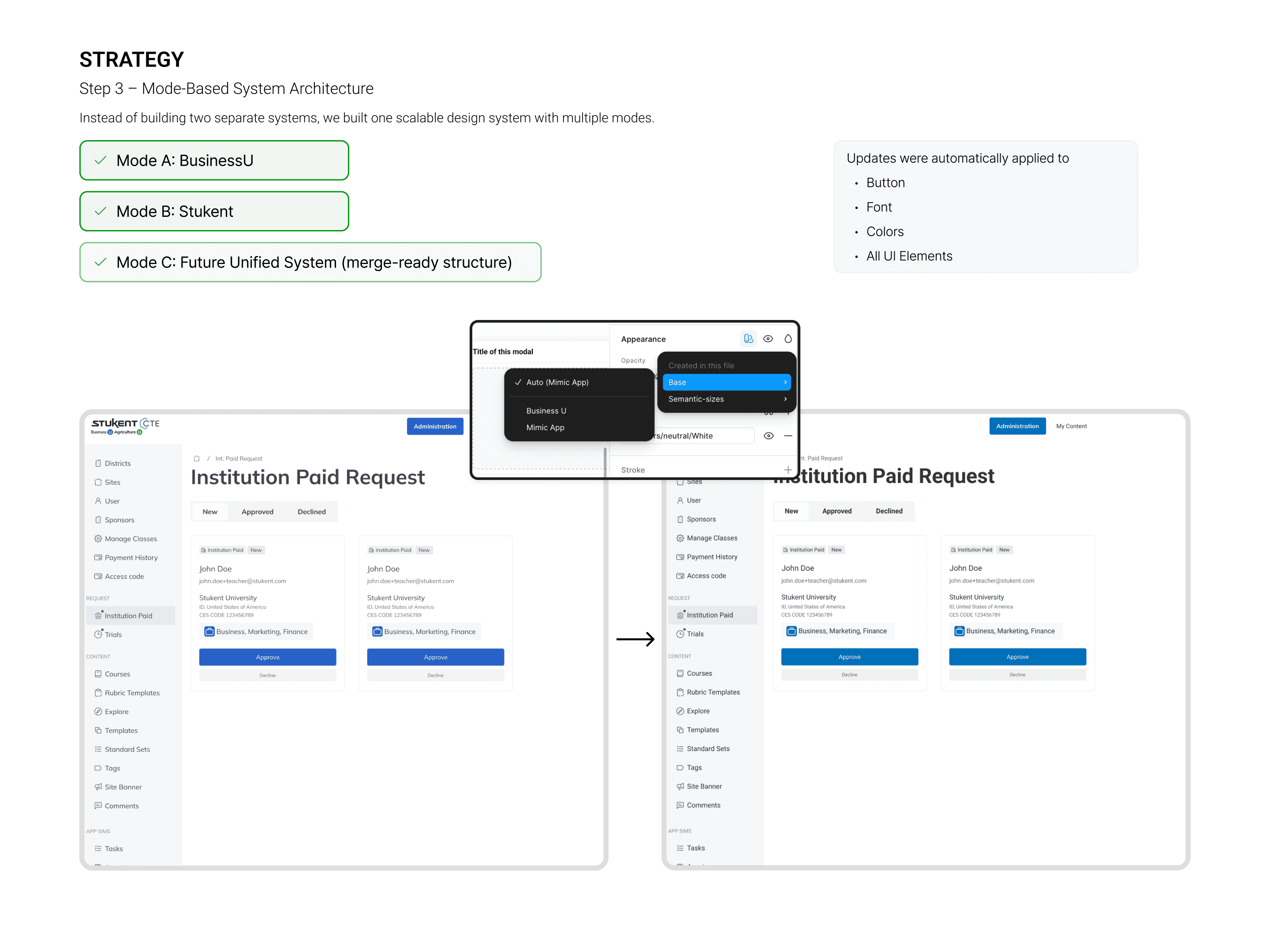
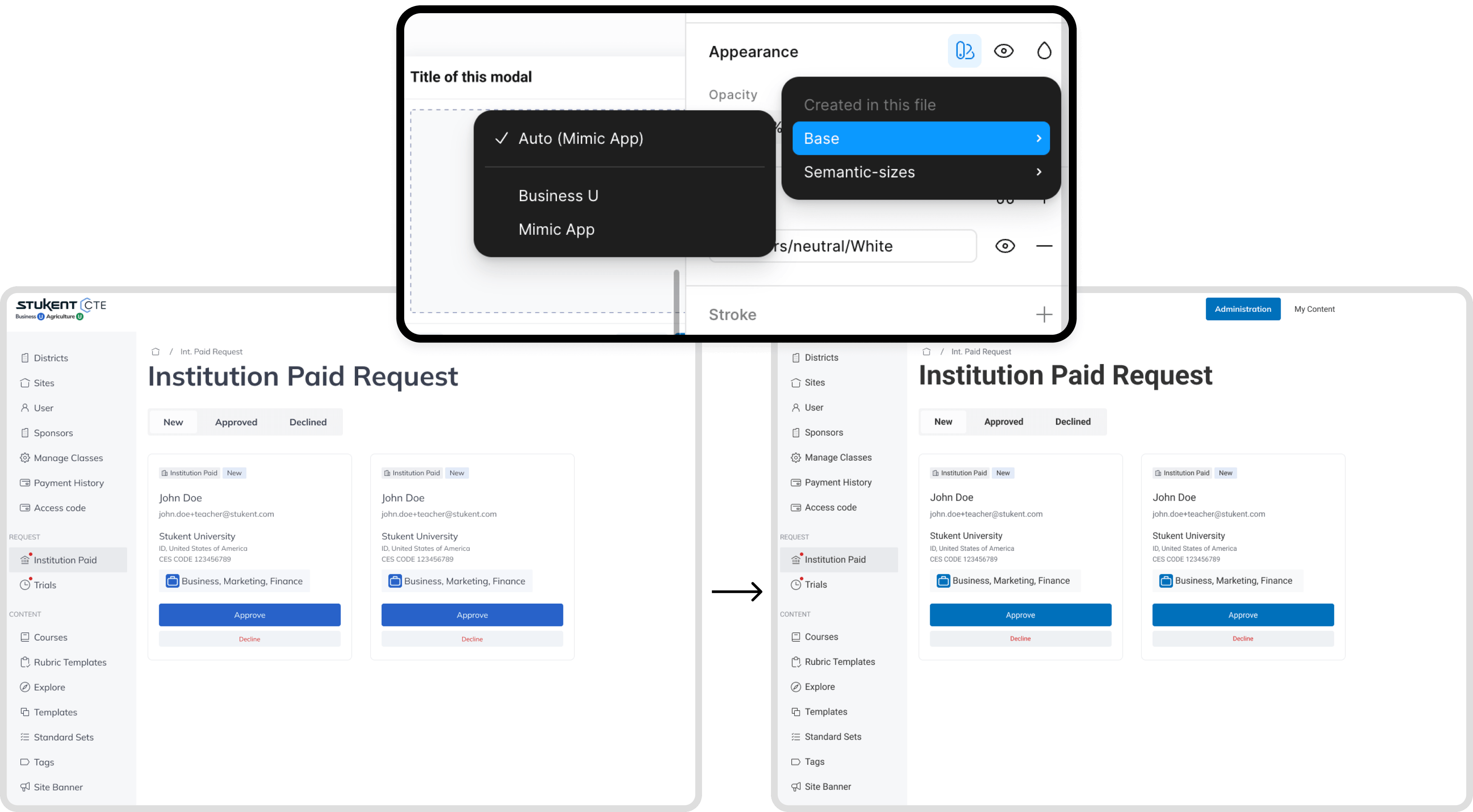
Instead of maintaining separate style rules for each platform, I structured variables to support multiple modes, allowing BusinessU and Stukent to share a scalable foundation while preserving platform-specific visual differences.

The clear version :
Design Execution
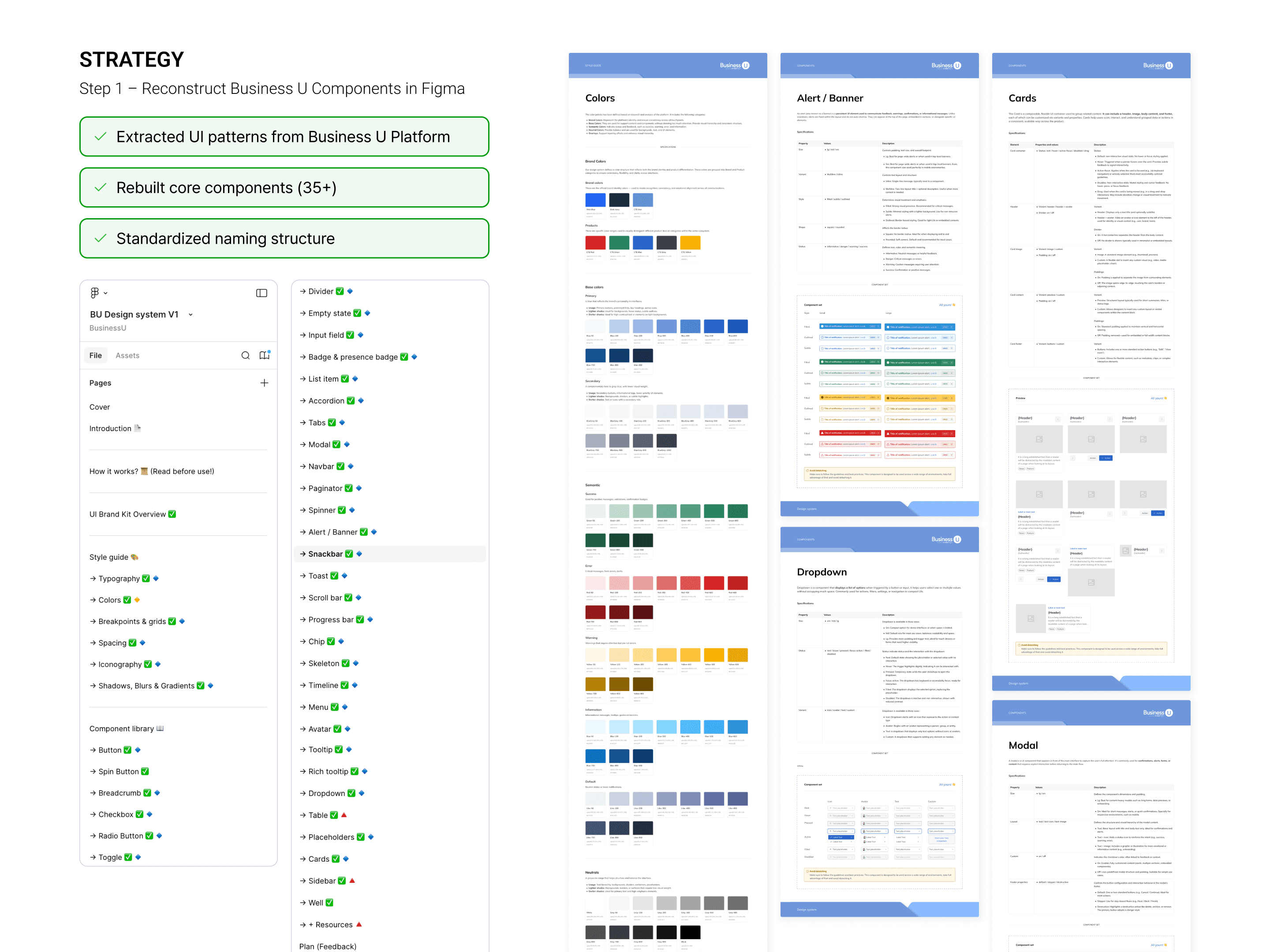
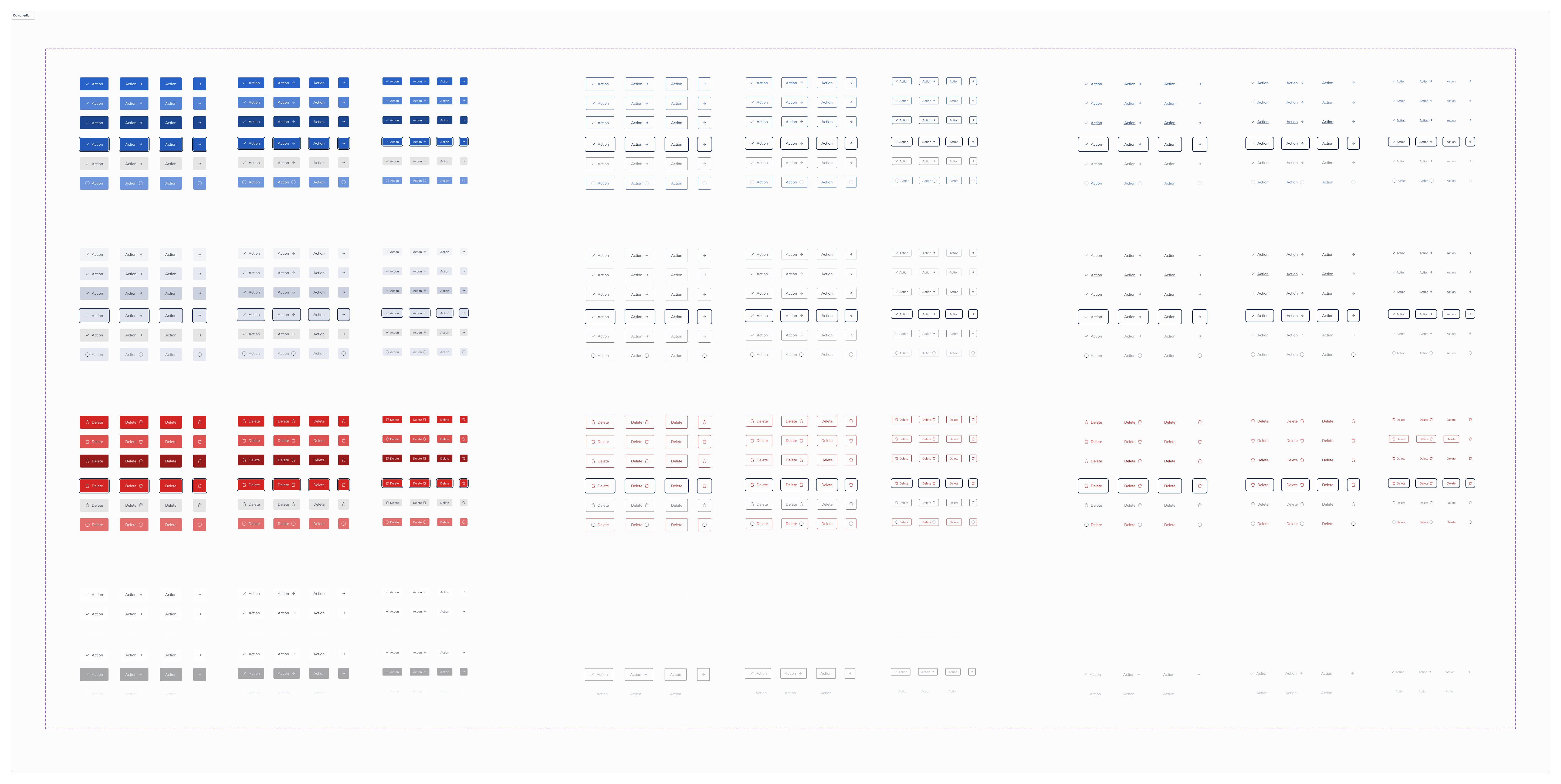
After defining the system architecture, I rebuilt Stukent's core UI patterns into a scalable component library. The goal was to create reusable, documented components that could support current product needs while preparing for future integration with Stukent’s design system.
Component Library
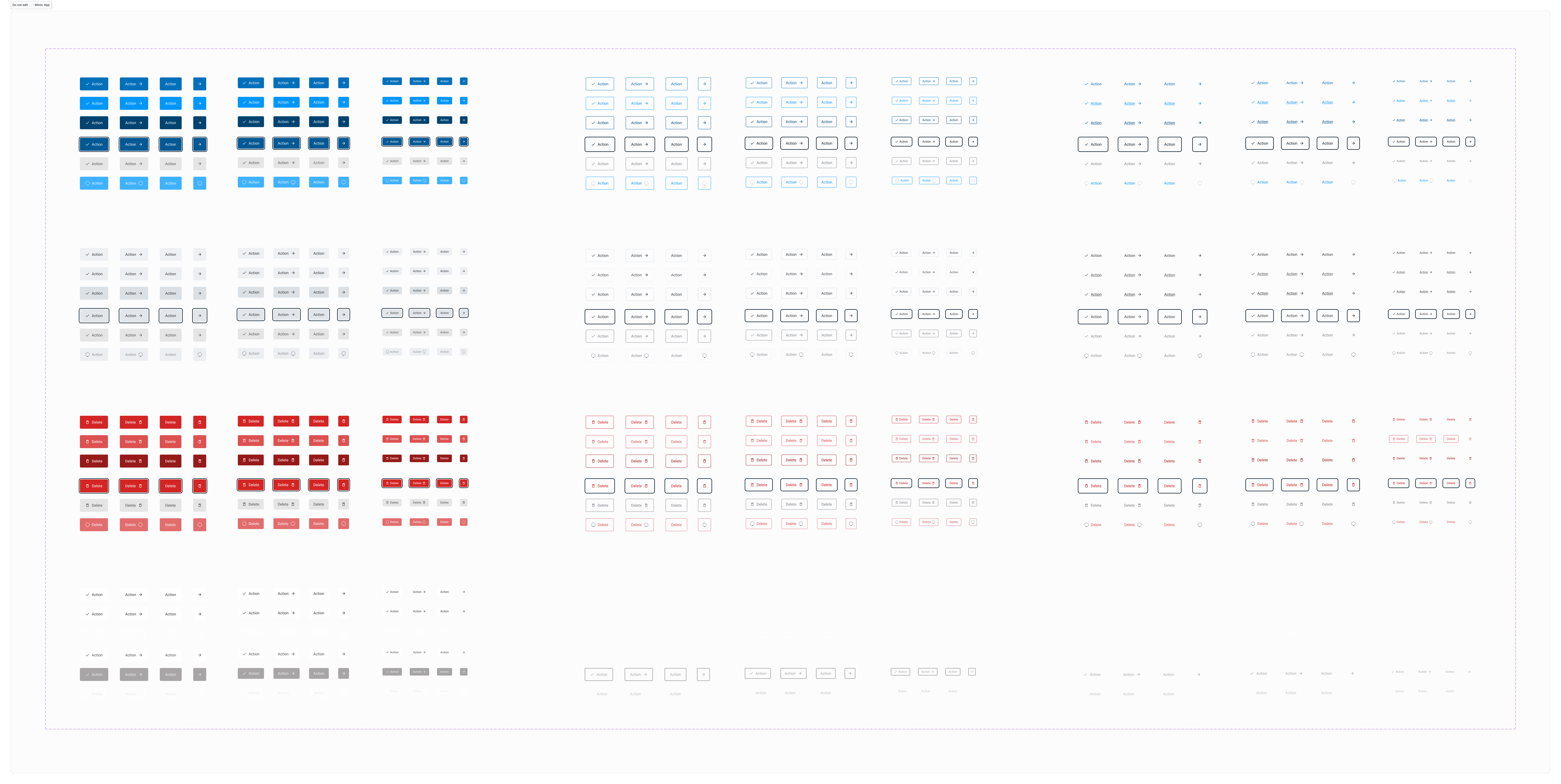
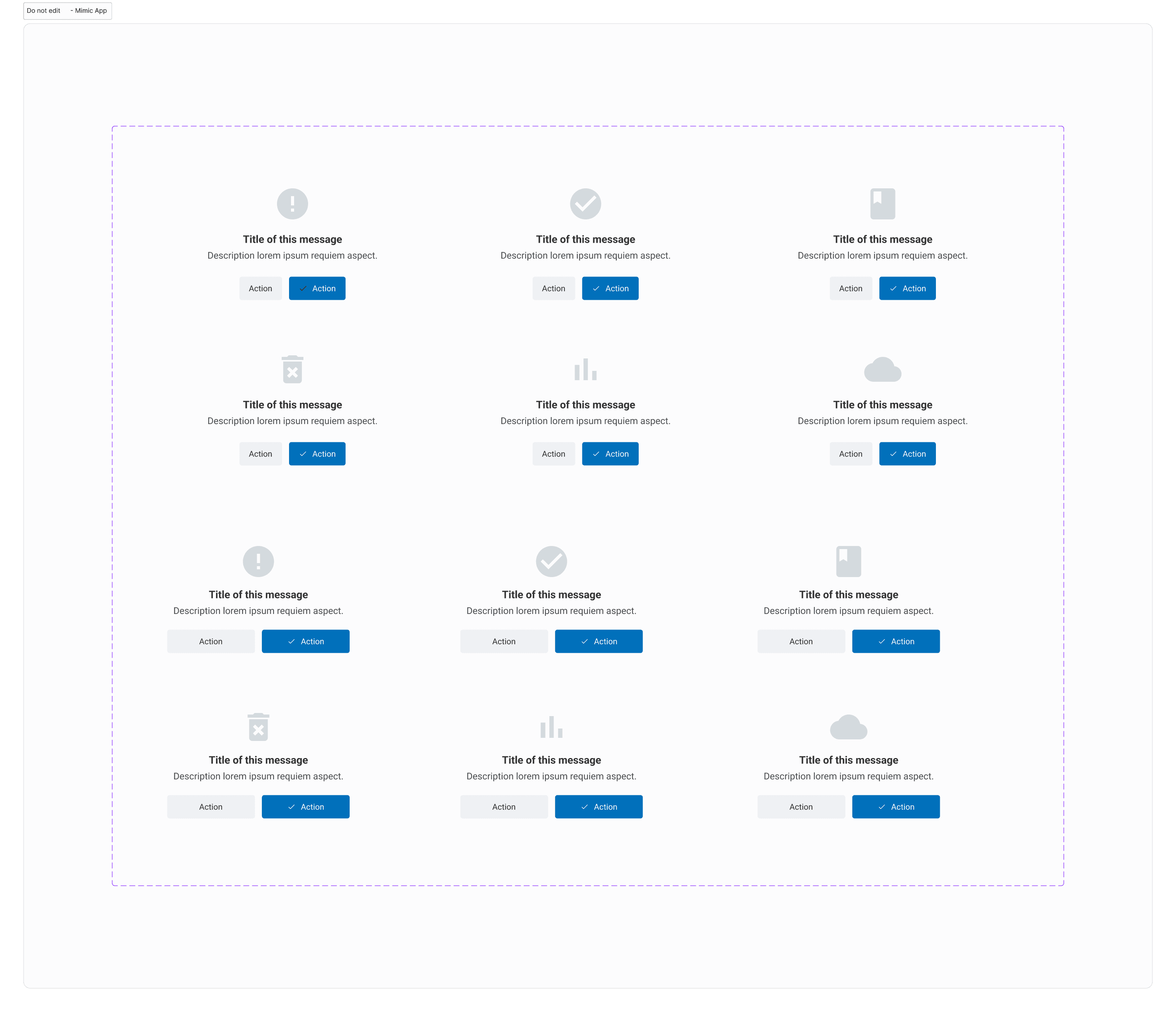
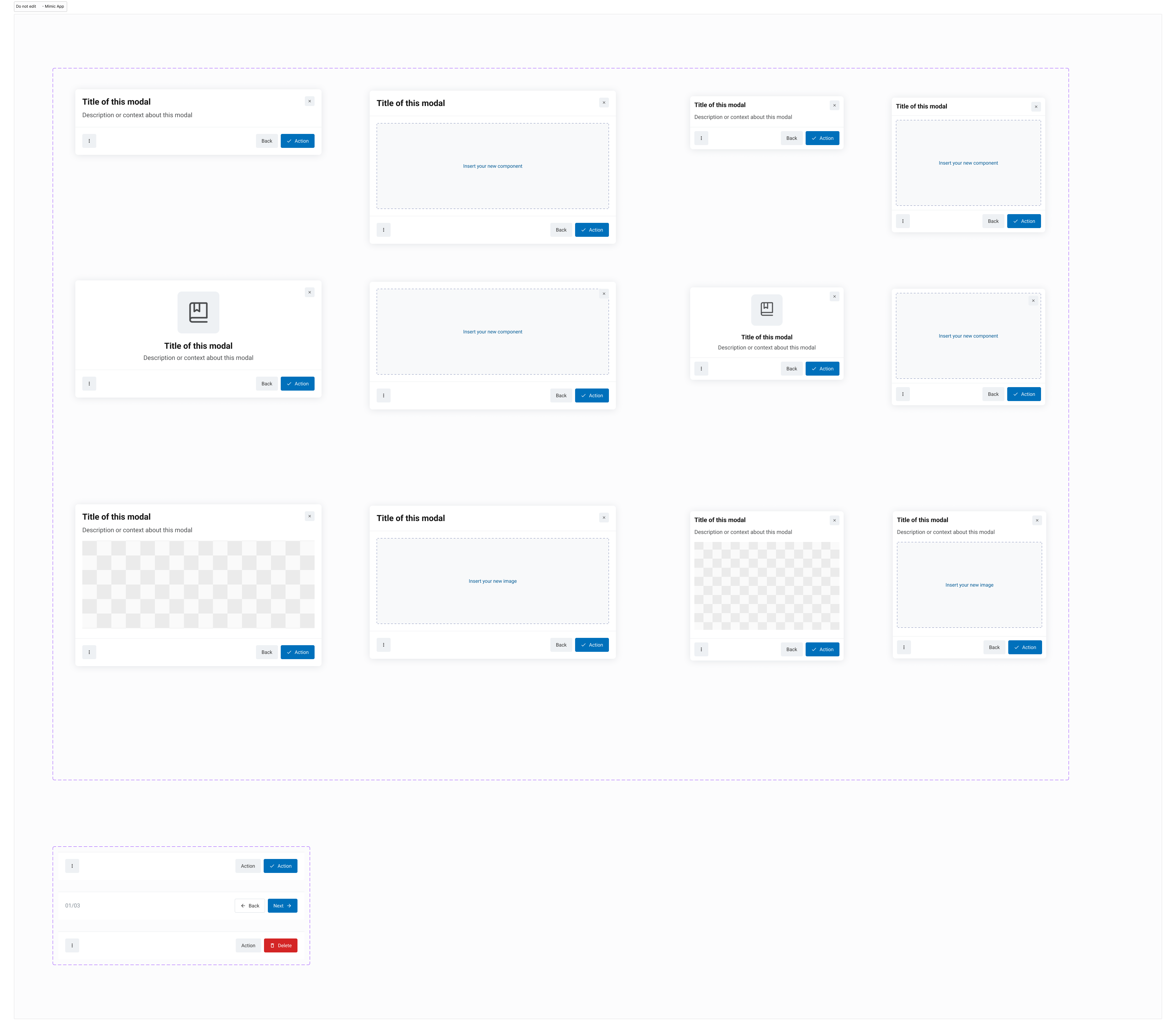
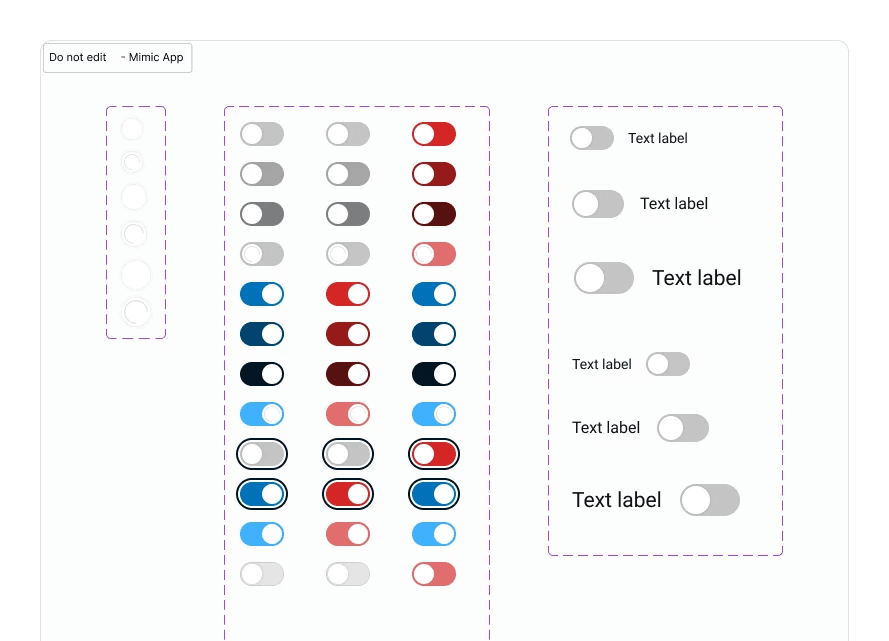
Reusable components designed to create consistency across BusinessU and support future platform convergence.
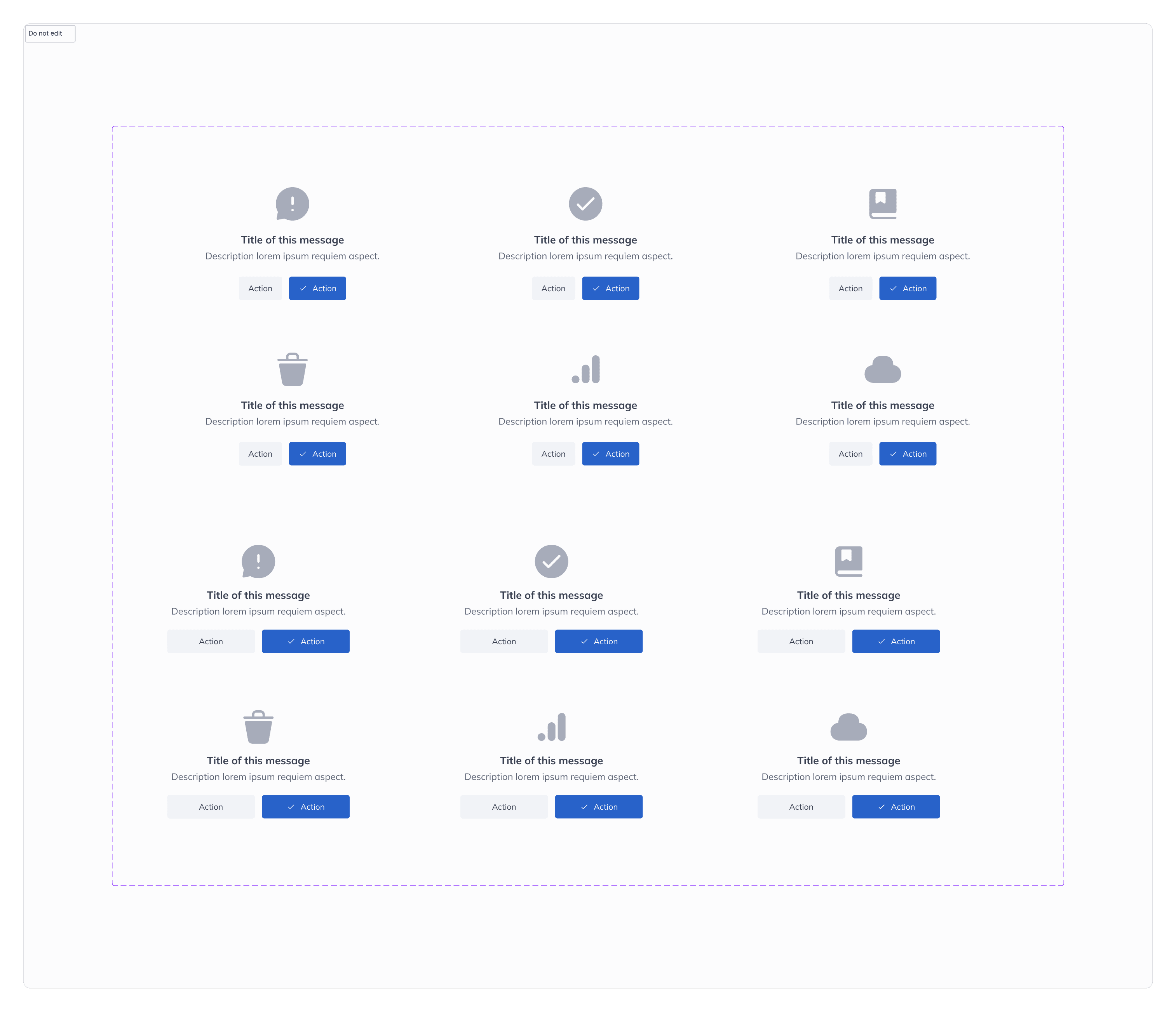
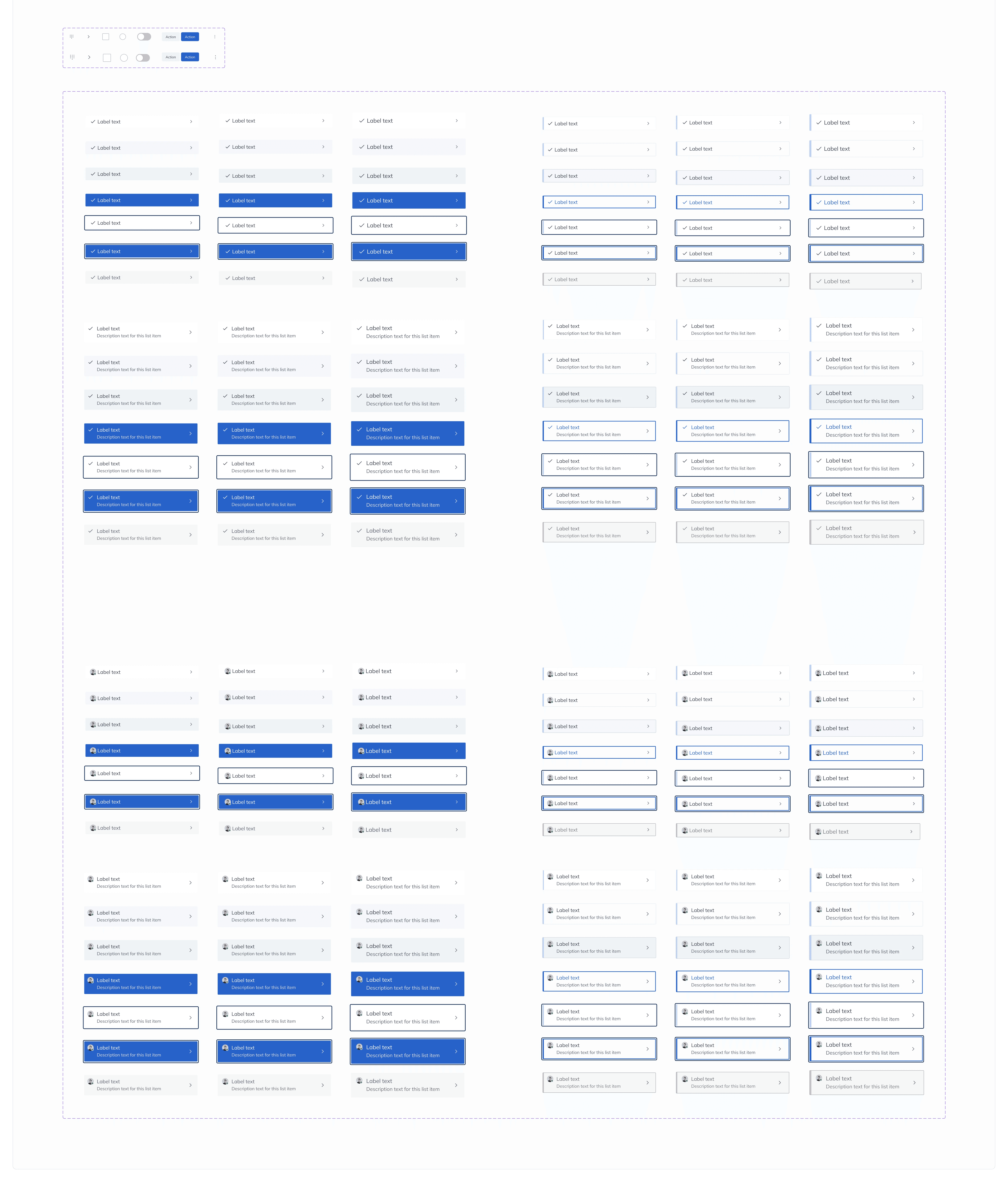
I reconstructed core UI components in Figma, including buttons, dropdowns, modals, empty states, alerts, cards, navigation, and tables. Each component was organized with consistent naming, reusable variants, and documented usage patterns to improve design handoff and reduce duplicate work.
Business U CTE:

Stukent Mimic App (Simternship):



The project schematically :
Outcome
The design system integration created a scalable foundation for BusinessU and Stukent to operate in parallel while preparing for future platform consolidation. By rebuilding components, standardizing variables, and aligning naming conventions, the project reduced design debt and created a more maintainable system architecture.
System Impact
Design System Impact:
Established a reusable component library and standardized design patterns across BusinessU and Stukent, reducing design-to-development timelines from 4 weeks to 2 weeks.
Team Impact:
Improved design handoff efficiency by 60% through clearer component documentation, shared naming conventions, and closer UX–Engineering alignment.
Platform Impact:
Rebuilt and structured 35+ core components, creating a merge-ready system foundation that reduced duplication risk and supported future platform consolidation.
Takeways
Cross-Functional Collaboration:
This project reinforced that a strong design system is not just a Figma library. It requires alignment across design, engineering, and product teams to create shared language, ownership, and implementation standards.
What I learned:
Design system work is infrastructure work. The biggest value comes from making future product decisions easier, reducing repeated effort, and creating a foundation that can scale as the platform evolves.